Solving the Intergenerational Puzzle: Lessons from 25 Executives
As well as keeping up with the latest academic research around the world on leadership, just as important for us at CLPL is keeping up with what is going on in workplaces right now. In our latest research with 25 Senior Executives, “managing intergenerational differences” came in as the third biggest pain point for leaders.
For the first time many of us are leading teams spanning FOUR generations (that’s the equivalent to your Christmas dinner table if you are lucky enough to still have that many generations in your family!). Each generation brings its own history, shaped by different social, economic and technological worlds. This diversity offers huge potential but misunderstandings creep in easily when we assume our way of working is “the right way” rather than checking what others need (and in fact this is regardless of the difference in generations).
I see these small misalignments having the following impact:
fuelling stress
building frustration
creating unnecessary turnover
Gen Z particularly is reshaping workplace norms. They ask thoughtful questions, value purpose and transparency and put wellbeing at the centre of their working lives. For leaders who came through more hierarchical cultures or long hours norms (hands up at this end), this shift can feel surprising or even uncomfortable. So what can we do about this potential friction as Positive Leaders?
Here’s 3 common intergenerational pressure points and how to navigate them with ease:
Communication breakdowns and misinterpretation
Picture the moment: a Gen Z colleague asks “Why are we doing this?” One person hears curiosity; another hears challenge. Suddenly, you’re calming tension instead of moving the work forward.
Often this comes down to unspoken expectations. Gen Z sees context as a sign of respect, while others see it as optional. Without a shared understanding, it’s easy for people to assume the worst.
Instead try this:
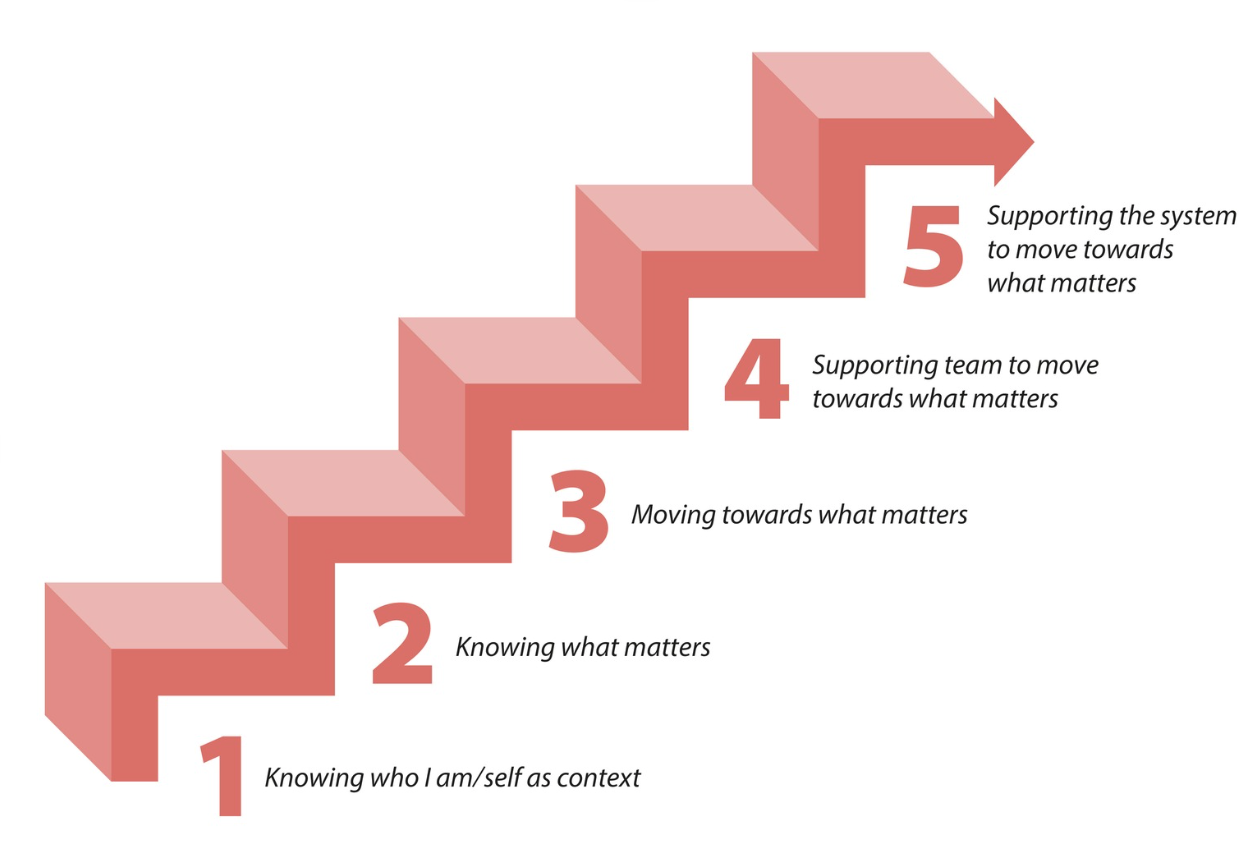
Reconnect to purpose. Start projects with a brief explanation of purpose and expected outcomes. Contract around roles, questions and expected barriers/opportunities. This simple step often prevents misunderstandings before they begin. This will require you to have clarity on this in advance - the process above can help (Lucey & Burke, 2022, p.108).
Inspiration. Close meetings by acknowledging questions and linking them to outcomes and goals. This builds psychological safety and keeps curiosity constructive.
Expectations around work-life boundaries
What feels like flexibility to one person can feel like pressure to another - especially after hours communication. Some colleagues describe feeling anxious when late-night emails land, while others feel they’re simply being responsive.
Much of this is shaped by the working environments we grew up in. Expectations around availability formed long before hybrid working and digital connectivity blurred the edges of the day.

Instead try this:
Health - Contract for well being. Agree that messages can be sent anytime but replies are only expected during agreed hours. Role model this. It lowers pressure immediately.
Limberness - Contract for flexibility as necessary. When busy periods require exceptions, name the trade‑offs. “I’ll be sending some later updates this week, no need to reply until tomorrow,” or, if replies are needed, agree what’s realistic. Removing guesswork reduces tension for everyone.
Different levels of comfort with technology and AI
AI is now a priority for almost every organisation. Gen Z colleagues often adopt new tools quickly, while more experienced team members may feel uncertain or worried about what this means for their expertise. This can trigger identity threat, a normal human response to change.
Instead try this:
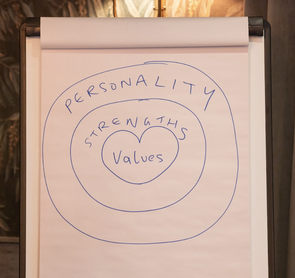
Abundance - Map team strengths. Ask what tasks energise or drain people then explore where AI can reduce drudgery rather than replace expertise. When people feel valued, resistance softens.
Limberness - Create “two-way labs.” Pair a Gen Z adopter with a senior colleague to co-design an AI supported workflow. Emotional agility grows when both teach and learn. This approach creates shared ownership, smoother collaboration and a stronger learning culture.
I hope you find this helpful. And if those of you with curiosity as a super strength are wondering what the top three pain points for leaders across my interviews were, “managing intergenerational differences” came in right after “leading through change” and “supporting burnout”. We will be publishing more about what we have found out on these pain points from leaders in our next newsletter, so make sure you are subscribed and stay tuned.